Source polyester spunbond forming fabric for Paper Making, Agriculture, and Bags
Find 30 verified listings for polyester spunbond forming fabric tailored for paper making machines, agricultural applications, and bag production. Buyers can compare specifications like wire diameter, density, and customization options from multiple suppliers.
Key considerations
Products List


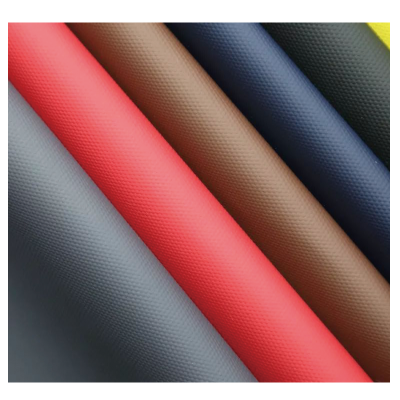


Comprehensive Sourcing Guide
Polyester Spunbond Forming Fabric Sourcing Guide
Sourcing polyester spunbond forming fabric requires a nuanced understanding of the intersection between nonwoven textile engineering and paper machine mechanics. This material serves as a critical component in the forming section of papermaking machinery, where it facilitates the initial dewatering and web formation process. Buyers must distinguish between general-purpose spunbond fabrics and those specifically engineered for high-speed paper machines, as the latter demands precise control over wire diameter, density, and surface texture. The procurement strategy should focus on verifying the supplier’s ability to customize these parameters to match specific paper grades, from tissue to board, ensuring optimal drainage and sheet quality.
The market for these fabrics is characterized by a mix of standardized models and highly customized solutions, often supplied on a make-to-order basis. Suppliers typically offer a range of configurations, including single-type formations with plain patterns, which are selected based on the desired balance between water removal and fiber retention. Procurement teams must evaluate not just the raw material composition, such as polyester and nylon blends, but also the structural integrity provided by the spun-bonded technic. This guide outlines the essential verification steps, technical parameters, and commercial considerations necessary to secure a reliable supply of high-performance forming fabrics that meet rigorous industrial standards.
Product Scope and Observed Listing Signals
The observed product landscape includes a variety of items labeled under the broader category of forming fabrics and nonwoven materials, with specific models such as SUNHONG PMC and SUN HONG indicating specialized manufacturing lines. Listings frequently highlight attributes like waterproof, eco-friendly, and breathable properties, which are critical for maintaining fabric longevity and operational efficiency in wet papermaking environments. Buyers should note that while some entries reference applications in bags or agriculture, the core focus for this keyword remains on industrial paper making machine applications, where the fabric’s ability to withstand mechanical stress and chemical exposure is paramount.
Observed supply signals indicate a wide range of customization options, with many suppliers accepting custom requests for density, wire diameter, and thickness. The presence of certifications such as CE and ISO 9001 suggests a baseline level of quality management, though buyers must verify if these certifications specifically cover the forming fabric production line. Additionally, the mention of free samples and non-MOQ requirements for some items provides an opportunity for initial testing, but procurement teams should be cautious when interpreting these signals for large-scale industrial orders, where consistent quality and lead times are more critical than sample availability.
Technical Specifications to Verify
Wire diameter is a primary technical parameter that directly influences the fabric’s strength and drainage capacity. For polyester spunbond forming fabrics, the warp wire diameter typically ranges from 0.17 to 0.22 mm, while the weft wire diameter can vary between 0.20 and 0.45 mm. Buyers must verify these dimensions against their machine’s specific requirements, as deviations can lead to uneven web formation or excessive wear. The thickness of the fabric, observed in the range of 0.41 to 0.87 mm, also plays a crucial role in determining the fabric’s stiffness and its ability to conform to the machine’s rollers and suction boxes.
Density is another critical specification, measured in roots per centimeter for both warp and weft directions. The warp density typically falls between 28 and 35 roots/cm, while the weft density ranges from 15.2 to 32 roots/cm. These densities affect the fabric’s permeability and its ability to retain fine fibers. Procurement teams should request detailed technical sheets that confirm these densities are consistent across the entire roll, as variations can cause streaks or defects in the final paper product. Additionally, the material composition, often a blend of polyester and nylon, should be verified to ensure it meets the required chemical and thermal resistance standards for the specific paper grade being produced.
Compliance and Safety Documentation
Certification verification is a mandatory step in the procurement process to ensure that the forming fabrics meet international quality and safety standards. The presence of ISO 9001 and CE certifications indicates that the supplier adheres to recognized quality management systems and European conformity standards. However, buyers should confirm that these certifications are current and specifically applicable to the production of forming fabrics, as they may cover other product lines. Additionally, RoHS compliance is often cited, which is relevant for ensuring that the materials do not contain restricted hazardous substances, although this is more commonly associated with electronic components than industrial textiles.
Beyond certifications, buyers should request documentation related to the fabric’s performance under operational conditions. This includes data on tensile strength, elongation, and resistance to abrasion and chemicals. While specific test results may not be publicly listed, suppliers should be willing to provide third-party test reports or internal quality control records upon request. It is also important to verify that the fabric meets any industry-specific standards, such as those related to paper machine safety and efficiency, to ensure that the procurement aligns with broader operational compliance requirements.
Cost Drivers and Commercial Terms
The cost of polyester spunbond forming fabrics is influenced by several factors, including the complexity of the weave, the quality of raw materials, and the level of customization required. Observed price ranges in the market vary significantly, reflecting differences in product specifications and supplier positioning. Buyers should expect higher costs for fabrics with tighter tolerances, specialized coatings, or custom densities, as these require more precise manufacturing processes. Additionally, the supply type, often make-to-order, can impact pricing due to the setup costs associated with producing non-standard items.
Commercial terms such as MOQ and lead times are critical considerations for procurement planning. While some listings indicate low or non-existent MOQs, industrial buyers should negotiate terms that accommodate their production schedules and inventory needs. The packing method, whether in wooden cases or core tubes with plastic bags, can also affect shipping costs and handling requirements. Buyers should clarify these terms upfront to avoid unexpected expenses and ensure that the supplier can deliver the required quantities within the necessary timeframe, especially for critical spare parts or large-scale production runs.
Supplier Qualification and Quality Control
Supplier qualification involves assessing the manufacturer’s production capabilities and quality control processes. Buyers should prioritize suppliers who are established factories with a proven track record in producing forming fabrics for paper making machines. The availability of customization services and the ability to provide free samples are positive indicators of a supplier’s flexibility and confidence in their product quality. However, buyers must also evaluate the supplier’s capacity to maintain consistent quality across large orders, as variations in production can lead to performance issues in the paper machine.
Quality control measures should be verified through site audits or third-party inspections if possible. Buyers should inquire about the supplier’s testing protocols, including routine checks on wire diameter, density, and thickness. Additionally, the supplier’s ability to provide technical support and after-sales service is crucial for resolving any issues that may arise during installation or operation. Procurement teams should also consider the supplier’s reputation and references from other industrial clients to gauge their reliability and commitment to customer satisfaction.
Long-Term Procurement Checks
Long-term procurement success depends on establishing a robust relationship with suppliers who can provide consistent quality and support over time. Buyers should implement regular performance reviews to assess the fabric’s durability, drainage efficiency, and overall contribution to paper machine uptime. Monitoring key performance indicators, such as fabric replacement frequency and paper quality metrics, can help identify any degradation in product performance that may require supplier intervention or product adjustment.
Continuous communication with suppliers is essential for staying updated on new technologies and improvements in forming fabric design. Buyers should engage in periodic discussions about potential upgrades or customizations that could enhance production efficiency. Additionally, maintaining a diversified supplier base can mitigate risks associated with supply chain disruptions. By focusing on long-term partnerships and continuous improvement, procurement teams can ensure that their polyester spunbond forming fabric supply remains reliable, cost-effective, and aligned with evolving production needs.
FAQs
What certifications do polyester spunbond forming fabrics have?
These fabrics typically hold CE and ISO 9001 certifications. Some products also meet RoHS standards. Buyers should verify specific documentation for each supplier to ensure compliance with regional safety and quality requirements.
Can I customize the dimensions of the forming fabric?
Yes, customization is available for wire diameter and density specifications. The warp wire diameter ranges from 0.17 to 0.22 mm, while the weft ranges from 0.20 to 0.45 mm. Buyers can request specific thickness or density adjustments within these observed ranges.
What is the minimum order quantity for these fabrics?
The minimum order quantity varies significantly, ranging from 1 to 5000 units depending on the supplier. Some vendors offer non-MOQ options for samples, while others require bulk commitments. Buyers must confirm the specific MOQ with the manufacturer before placing an order.
How are these forming fabrics packaged for shipment?
Packaging options include wooden cases, core tubes with plastic bags, or rolls according to request. The specific packing method depends on the product model and supplier preference. Buyers should specify their packaging needs during the inquiry to ensure safe transport.
Which applications are suitable for polyester spunbond forming fabrics?
These fabrics are primarily used in paper making machines and various industrial applications. They also serve in agriculture, home textiles, hospitals, and bag manufacturing. The material offers features like waterproofing and anti-tear properties suitable for diverse industrial environments.
What is the typical lead time for make-to-order production?
Lead times depend on the specific customization and supplier capacity. Since the supply type is make-to-order, production schedules vary by manufacturer. Buyers should request a confirmed lead time from the factory before finalizing the purchase agreement.